 MYLS AI

Electrical Engineer - Behavioral
Practice Electrical Engineer technical interview questions on design, calculations, code compliance, testing, troubleshooting, and project delivery, then get feedback on engineering judgment, technical accuracy, verification, and communication clarity.
Free one-question trial · No card
- Questions per session
- 4
- Session length
- 9 min
- Answer format
- Video
What your report scores
Each answer is scored on these, then you see which points pulled the score down.
Verbal/Speaking
- Enthusiasm and Confidence
- Timing
- Clarity of Speaking
- Pitch and Consistency
- Speed of Talking
Content
- Clarity of Content
- Conciseness
- Logical Presentation
- Use of Examples
- Vocabulary
Answer
- Relevancy
- Critical Thinking
- Insightfulness
Expression
- Smile
- Eye Contact
- Confidence
- Background
- Face Positioning
Skills it checks
- Engineering Communication
- Collaboration
- Multidisciplinary Coordination
- Problem Solving
- Ownership and Accountability
- Engineering Judgment
- Safety and Risk Awareness
- Quality Orientation
- Prioritization and Time Management
- Adaptability
- Client and Stakeholder Management
- Conflict Resolution
- Leadership and Mentorship
- Professionalism and Ethics
Questions from the bank
A few real questions you can practice now.
Walk me through a recent electrical engineering project you worked on from initial requirements to final delivery, and explain your specific responsibilities, key decisions, and outcome.
02Describe a time you had to explain an electrical design decision or test result to a non-technical client, manager, or stakeholder. How did you make it understandable without losing accuracy?
03Tell me about a project where the quality of your drawings, calculations, specifications, or reports was especially important. How did you ensure your work was complete and reviewable?
04Give an example of a situation where you had to present electrical risks, assumptions, or limitations clearly so others could make the right decision.
05Describe a time when someone misunderstood your electrical recommendation or deliverable. How did you discover the gap and correct it?
How it works
What you get
The session
Realistic practice that builds confidence
- Timed question flowPractice with the same pacing and response format used by this program.
- Audio-ready questionsHear or read each question before responding, depending on the program setup.
- Focused topic coverageEach session pulls from the configured question bank.
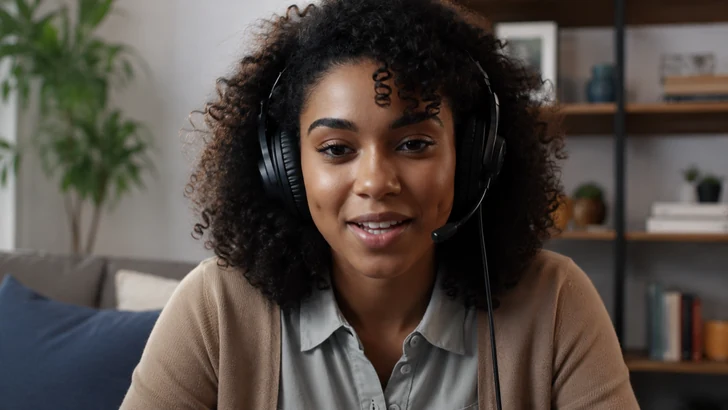
- Transcript and recordingReview what you said and how you delivered it after every session.
The report
Per-question analysis tied to the scoring criteria
- Score predictionSee your overall readiness and criterion-level scores.
- Per-question feedbackUnderstand the exact issue in each response.
- Improvement suggestionsTurn weak spots into concrete next practice goals.
- Progress historyRepeat sessions and track your performance over time.
Who it's for
Build a steady practice rhythm
- Turn interview prep into a regular habit
- Keep examples fresh before applications open
- Improve one criterion at a time
Understand your baseline
- See your current readiness level
- Learn what this interview evaluates
- Find the criteria to prioritize first
Prepare quickly for a high-stakes interview
- Focus on the questions most likely to matter
- Reduce hesitation under realistic timing
- Polish high-impact answers before the interview
Questions
See all FAQsWhat does this program evaluate?
This program evaluates answer quality, communication, fit, and the skills needed for this opportunity.
How should I use the sample questions?
Use them to understand the expected style, then start a real session to receive scored feedback.
Can I repeat the program?
Yes. Repeated sessions help you build consistency and compare feedback over time.
What do I get after a session?
You receive a structured report with scores, strengths, gaps, and suggestions for the next attempt.
Scores and feedback are for practice. They don't predict or guarantee an admission, test result or job offer.