Open Positions
Accounting and bookkeeping work remains a large employment category with roles across many industries and business functions.

Practice accounting interview questions on journal entries, reconciliations, AP/AR, close support, and stakeholder communication, then get AI feedback on technical accuracy, clarity, and judgment so you can interview more confidently for accounting roles.
Accounting interviews often test both technical accuracy and how clearly candidates explain decisions, discrepancies, and controls. Practicing role-specific answers can help candidates prepare for questions on reporting, reconciliations, close support, software use, and communication with non-financial stakeholders.
Accounting and bookkeeping work remains a large employment category with roles across many industries and business functions.
This estimated US salary range reflects common accounting roles, with higher pay tied to experience and credentials.
Many postings accept entry-level candidates, while others commonly ask for one to two years of relevant experience.
Assessment focuses on how candidates answer accounting interview questions using accurate technical knowledge, clear reasoning, and professional communication. Evaluation emphasizes role-relevant skills such as journal entry preparation, account reconciliation, accounts payable and receivable, month-end close support, attention to detail, and judgment.
Accounting Free Trial is evaluated across role-relevant accounting and communication skills configured in the program.
These dimensions show how your video response is assessed across the program's configured scoring criteria.
Start a timed practice session, answer role-specific questions, review your AI feedback, then practice again to improve your ability scores.
These examples come from the program question bank where available and show the style of practice questions.
From the session itself to the per-question breakdown, every feature is built around measurable practice.
Realistic practice that builds confidence
Practice with the same pacing and response format used by this program.
Hear or read each question before responding, depending on the program setup.
Each session pulls from the configured question bank.
Review what you said and how you delivered it after every session.
Per-question analysis tied to the scoring criteria
See your overall readiness and criterion-level scores.
Understand the exact issue in each response.
Turn weak spots into concrete next practice goals.
Repeat sessions and track your performance over time.
Practice works best when it is spoken, repeated, and tied to feedback you can act on.

Practice to

Practice to

Practice to
Learners who used MYLS AI to turn practice reports into targeted improvement.
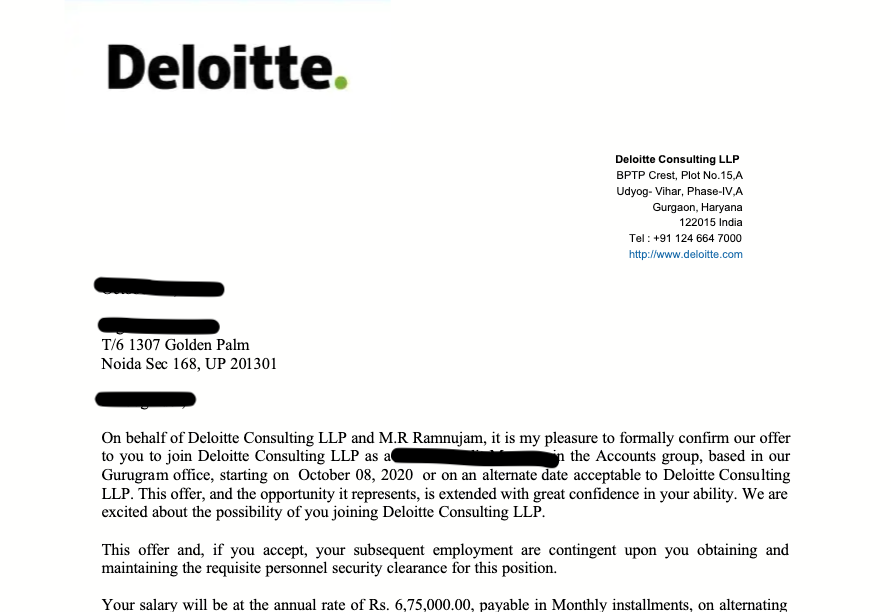
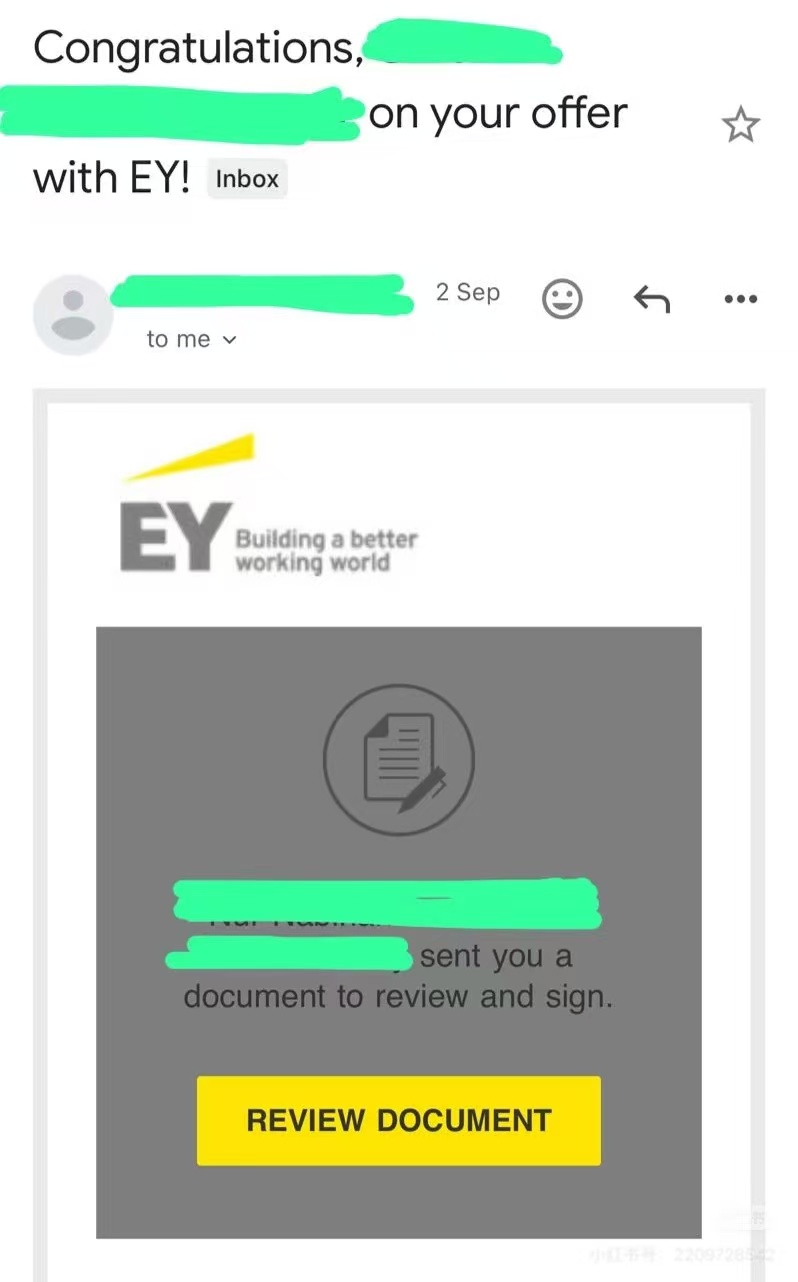

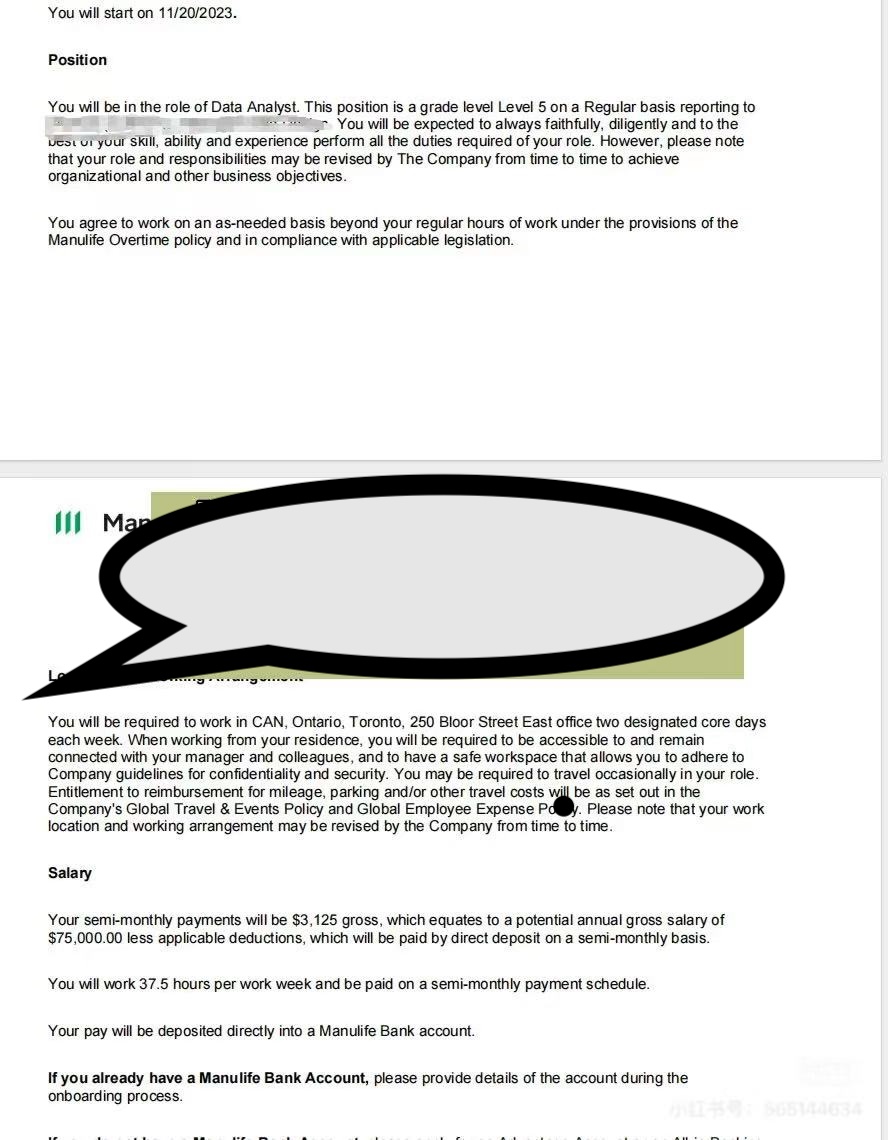
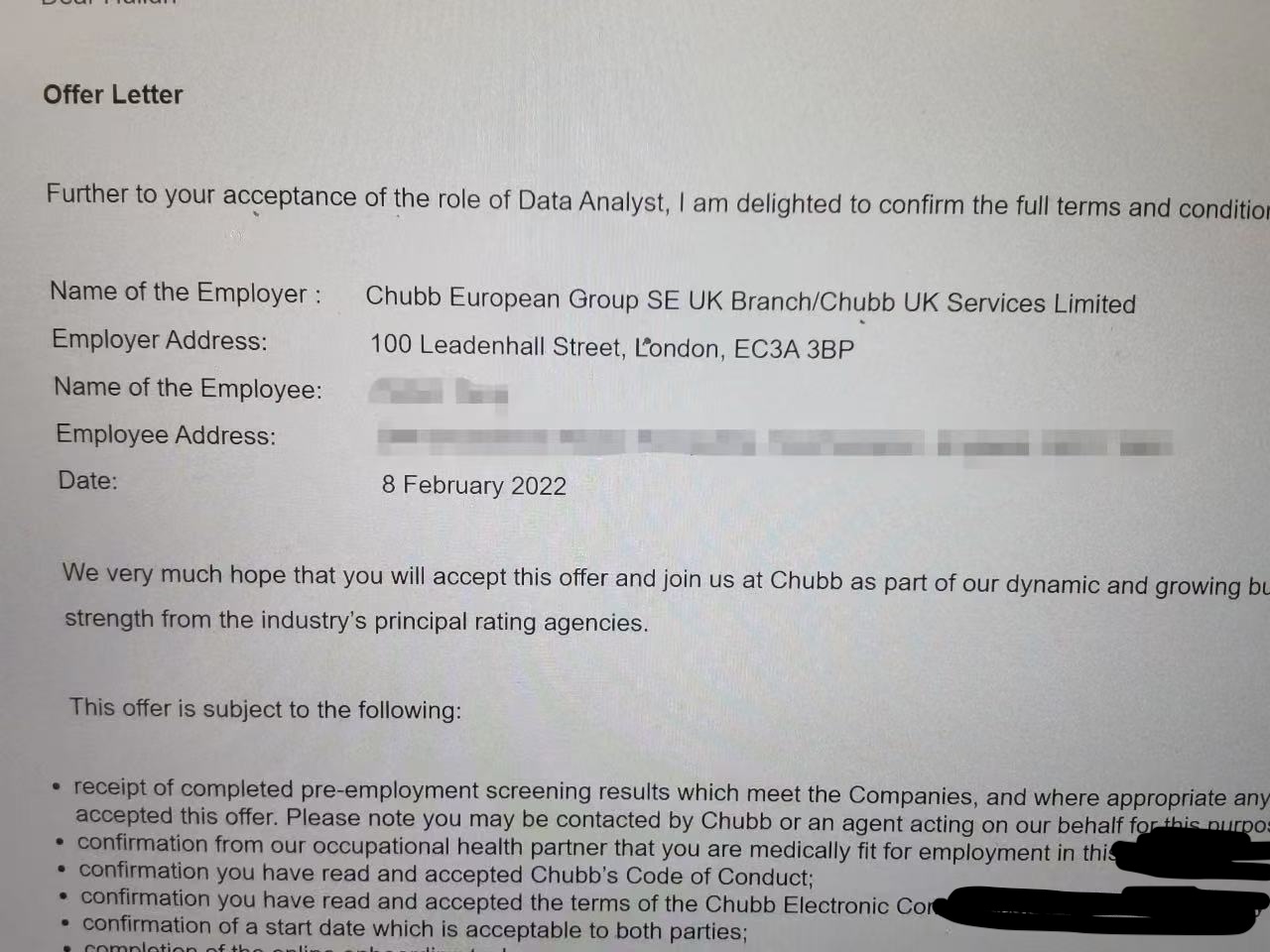
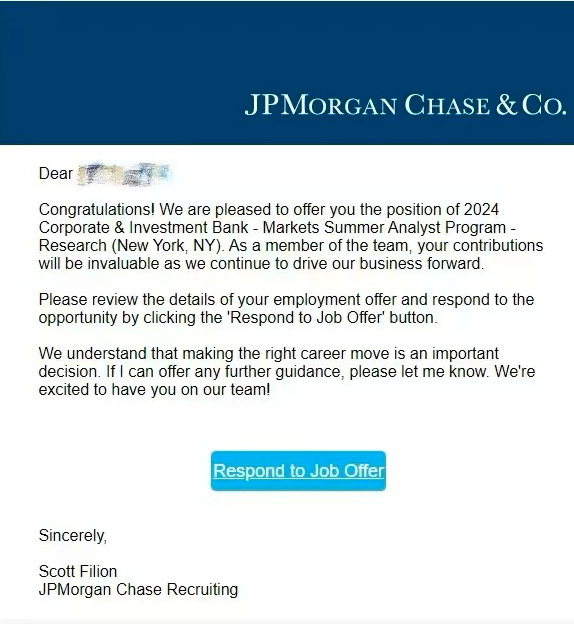
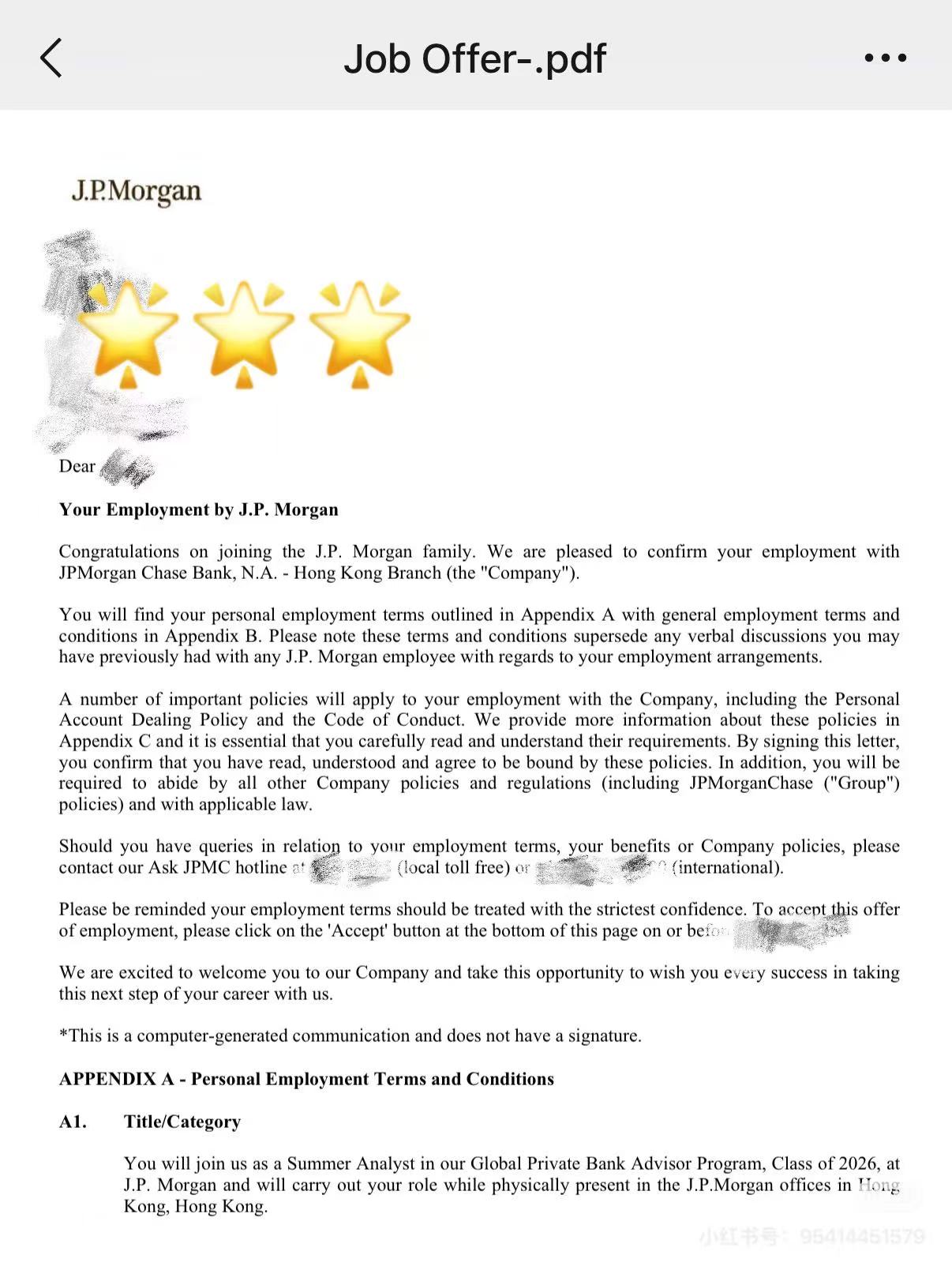
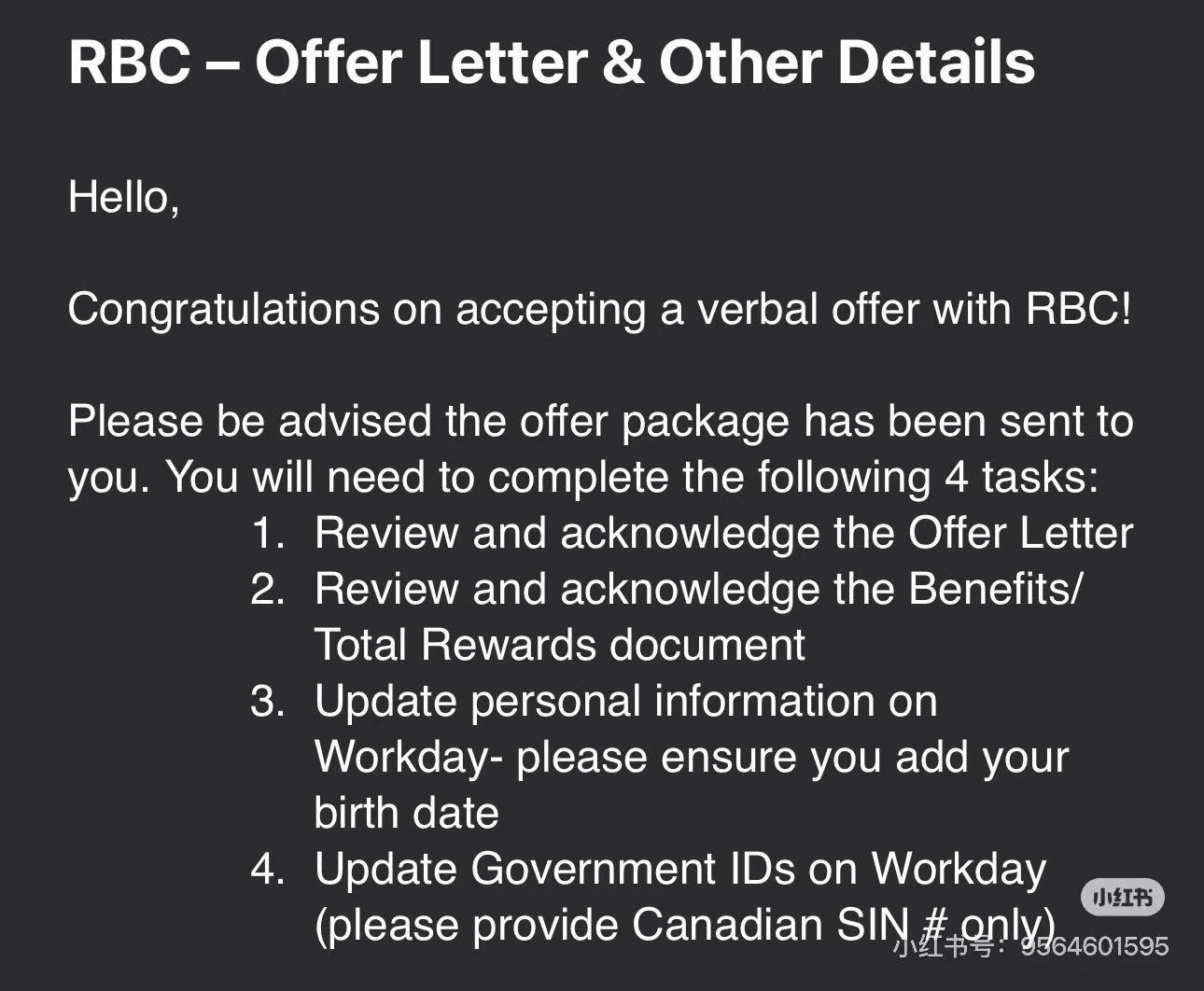
Outcomes are illustrative and may be anonymized.
This program evaluates answer quality, communication, fit, and the skills needed for this opportunity.
Use them to understand the expected style, then start a real session to receive scored feedback.
Yes. Repeated sessions help you build consistency and compare feedback over time.
You receive a structured report with scores, strengths, gaps, and suggestions for the next attempt.