Experience Threshold
Many postings expect at least some prior AI or ML systems experience before candidates are considered interview-ready.

Practice AI Engineer interview questions on RAG, LLM applications, agents, evaluation, and deployment, then get scored feedback on technical choices, production judgment, and stakeholder-ready communication.
AI Engineer roles increasingly emphasize building and operating production LLM systems, not just model experimentation. Interviews commonly test RAG, agents, evaluation, deployment, debugging, and communication under real product constraints.
Many postings expect at least some prior AI or ML systems experience before candidates are considered interview-ready.
US AI Engineer compensation is typically strong, making targeted interview practice valuable for competitive roles.
Openings span enterprise GenAI, SaaS, federal technology, critical infrastructure, and customer-facing delivery contexts.
Candidates are evaluated on how clearly and accurately they explain AI system design, RAG and agent workflows, deployment decisions, debugging approaches, and trade-offs around latency, cost, reliability, grounding, and safety.
AI Engineer responses are assessed on role-relevant skills drawn from production LLM system design, retrieval, deployment, evaluation, and communication scenarios.
These dimensions show how your video response is assessed across the program's configured scoring criteria.
Start a timed practice session, answer role-specific questions, review your AI feedback, then practice again to improve your ability scores.
These examples come from the program question bank where available and show the style of practice questions.
From the session itself to the per-question breakdown, every feature is built around measurable practice.
Realistic practice that builds confidence
Practice with the same pacing and response format used by this program.
Hear or read each question before responding, depending on the program setup.
Each session pulls from the configured question bank.
Review what you said and how you delivered it after every session.
Per-question analysis tied to the scoring criteria
See your overall readiness and criterion-level scores.
Understand the exact issue in each response.
Turn weak spots into concrete next practice goals.
Repeat sessions and track your performance over time.
Practice works best when it is spoken, repeated, and tied to feedback you can act on.

Practice to

Practice to

Practice to
Learners who used MYLS AI to turn practice reports into targeted improvement.
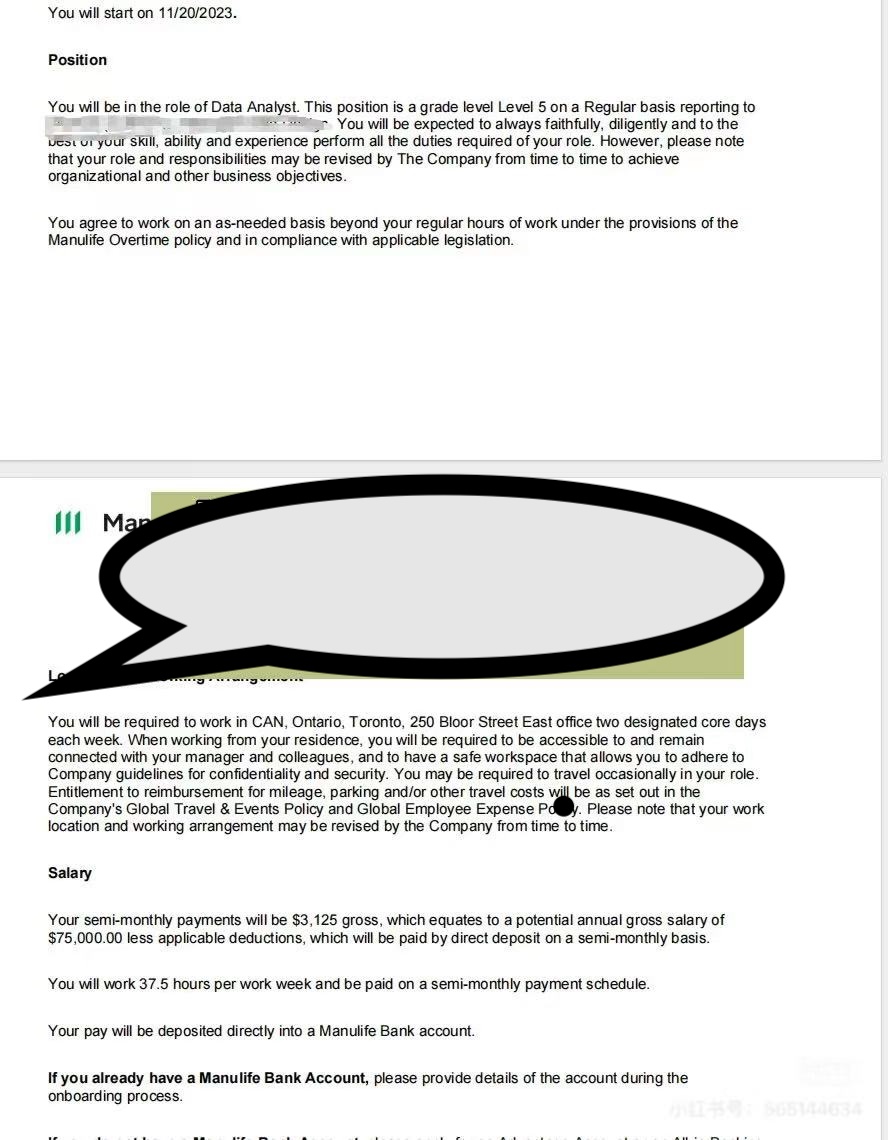
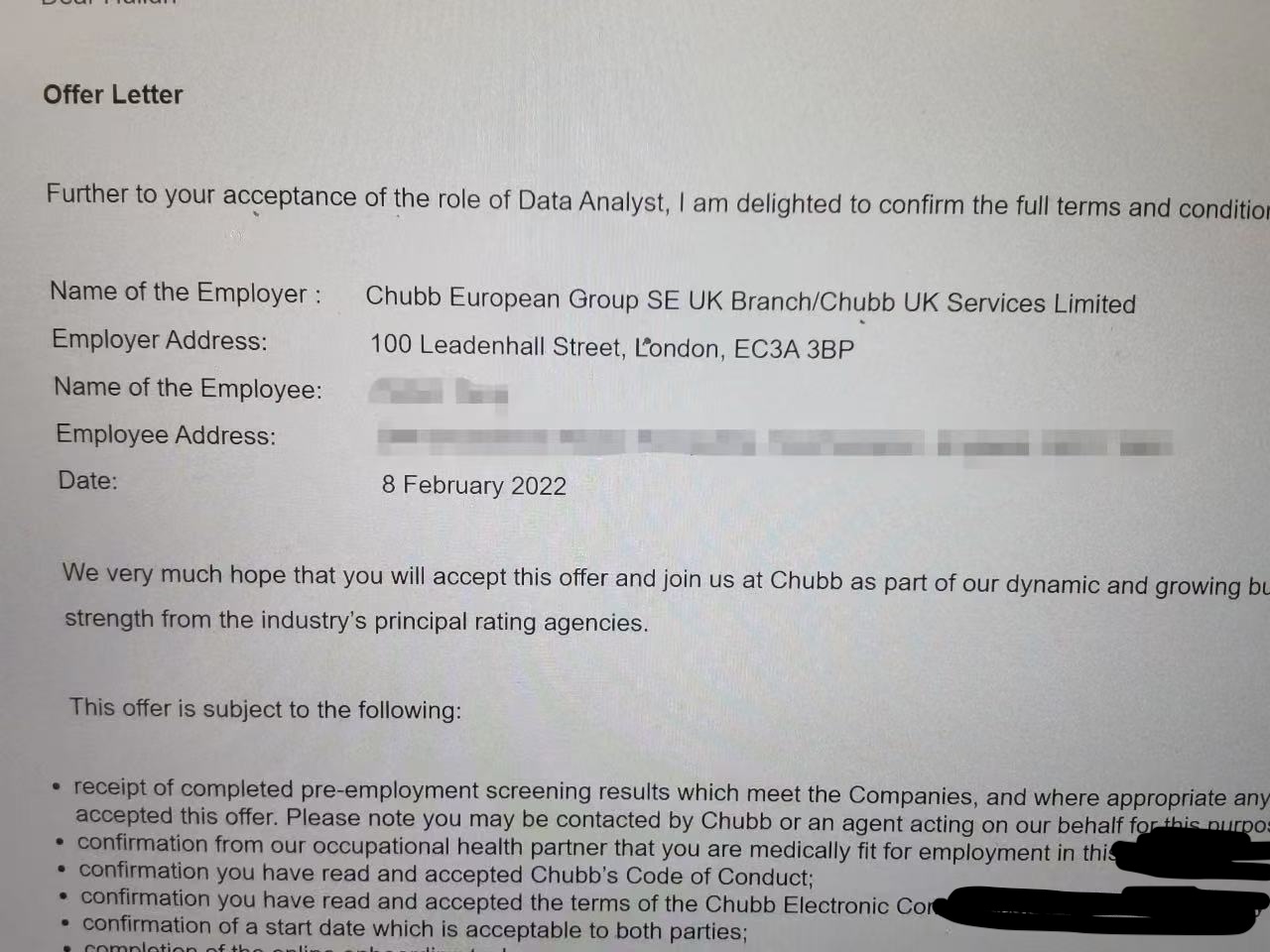
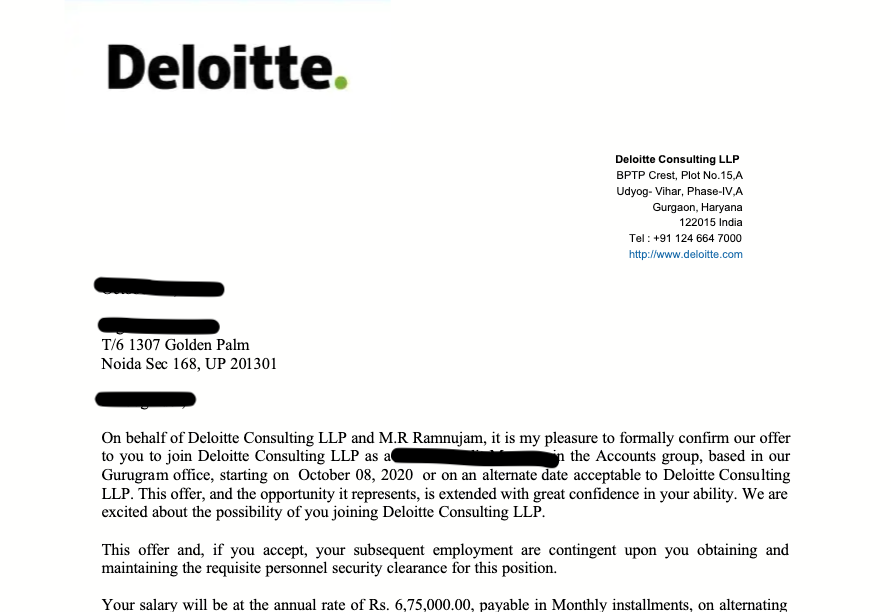
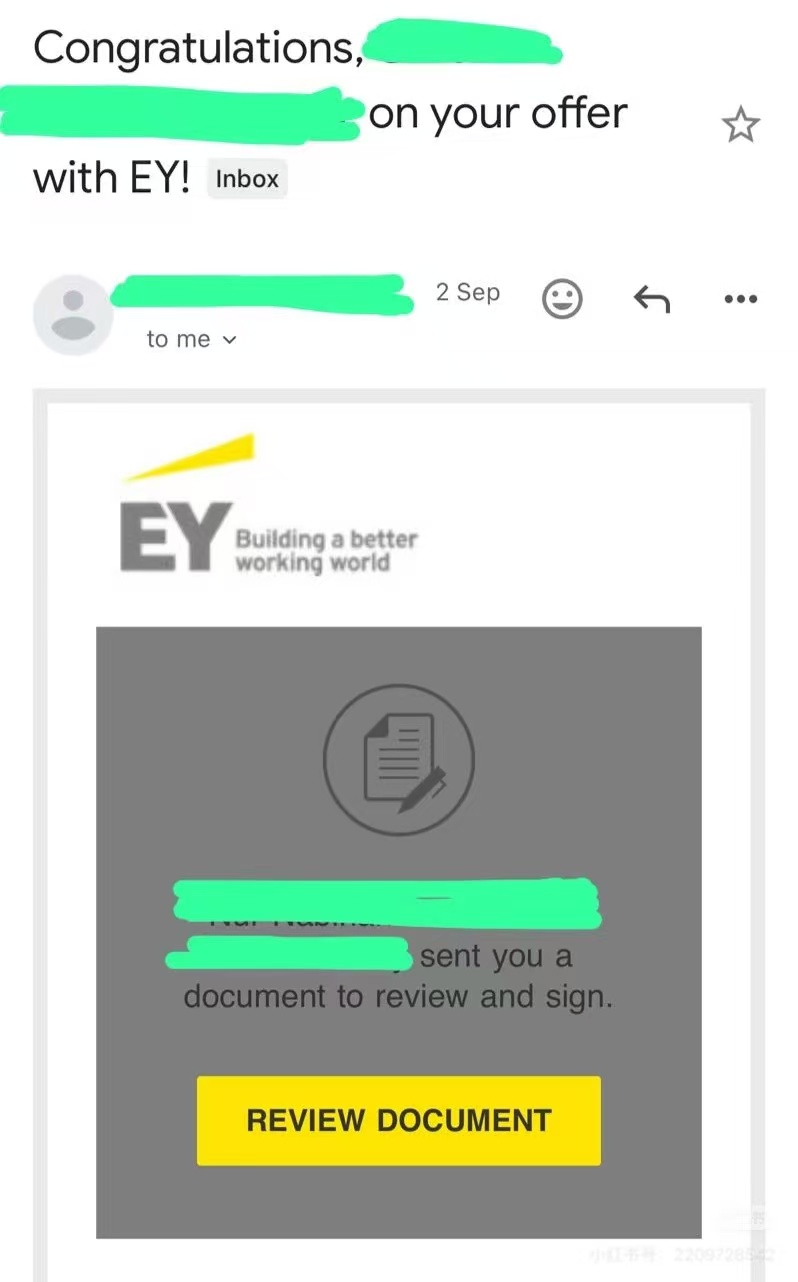

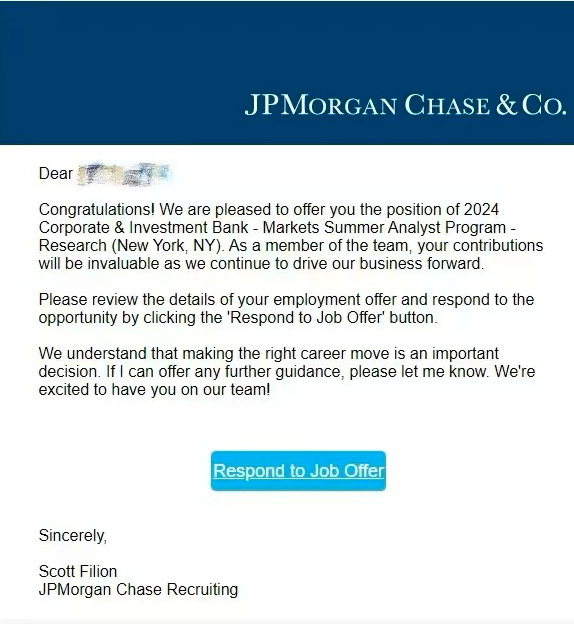
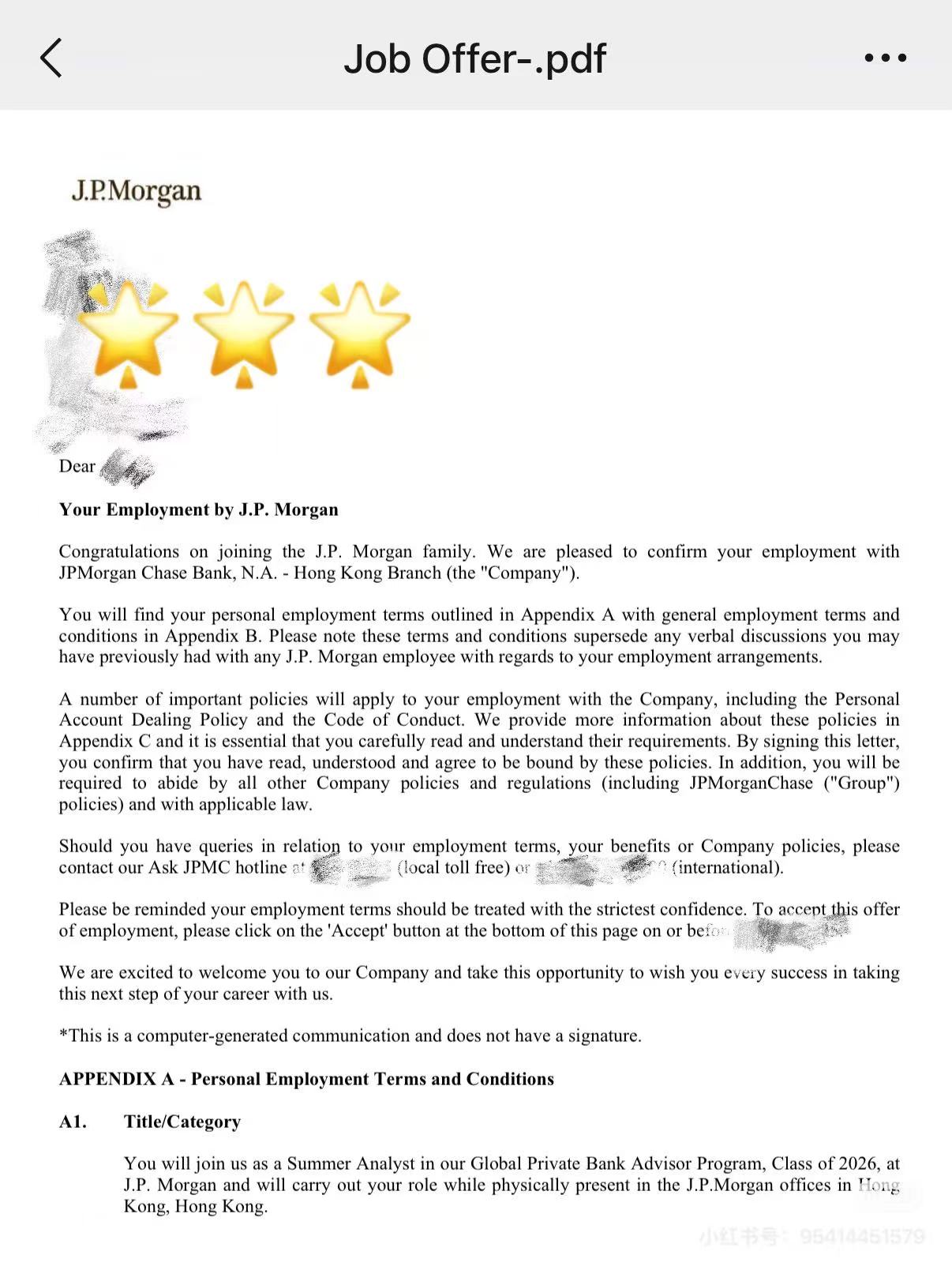
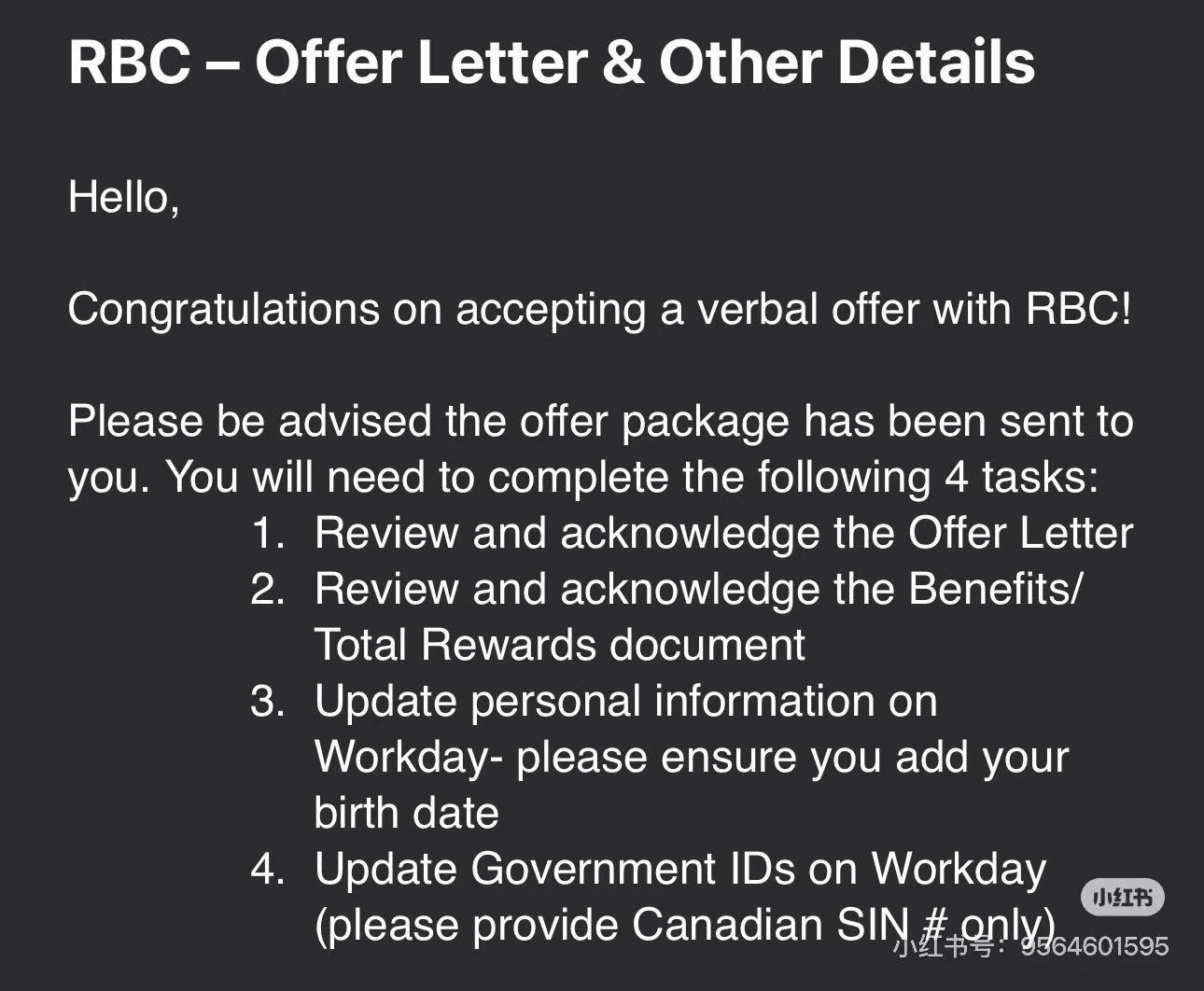
Outcomes are illustrative and may be anonymized.
This program evaluates answer quality, communication, fit, and the skills needed for this opportunity.
Use them to understand the expected style, then start a real session to receive scored feedback.
Yes. Repeated sessions help you build consistency and compare feedback over time.
You receive a structured report with scores, strengths, gaps, and suggestions for the next attempt.