 MYLS AI

Investment Banking (Intern / Co-op)
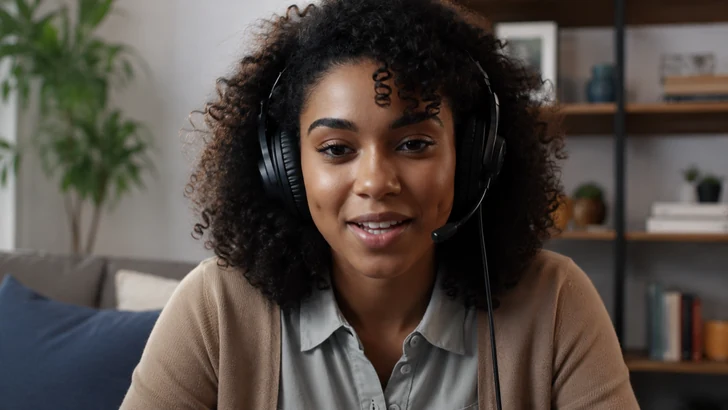
Practice video mock interviews for investment banking intern and co-op roles, then get scored feedback on technical accuracy, market awareness, communication, and role fit for competitive first rounds and Superdays.
Free one-question trial · No card
- Questions per session
- 4
- Session length
- 9 min
- Answer format
- Video
What your report scores
Each answer is scored on these, then you see which points pulled the score down.
Verbal/Speaking
- Enthusiasm and Confidence
- Timing
- Clarity of Speaking
- Pitch and Consistency
- Speed of Talking
Content
- Clarity of Content
- Conciseness
- Logical Presentation
- Use of Examples
- Vocabulary
Answer
- Relevancy
- Critical Thinking
- Insightfulness
Expression
- Smile
- Eye Contact
- Confidence
- Background
- Face Positioning
Skills it checks
- Financial Modeling
- Valuation Analysis
- Commercial Acumen
- Analytical Rigor
- Attention To Detail
- Prioritization
- Professional Presence
- Client Orientation
- Coachability
- Team Contribution
- Ethical Judgment
- Initiative
- Industry Research
- Pitch Book Preparation
- Comparable Company Analysis
- Due Diligence Support
- Financial Statement Analysis
- Capital Structure Analysis
- Credit Assessment
- Underwriting Support
- Investment Memorandum Writing
- Market Awareness
- Stakeholder Coordination
- Microsoft Excel
- PowerPoint Communication
- Written Communication
- Verbal Communication
- Problem Solving
- Adaptability
- Organization
Questions from the bank
A few real questions you can practice now.
Walk me through how the three financial statements connect, and then explain how a $10 increase in depreciation would flow through each statement.
02A company’s revenue grows 15% but EBITDA margin declines. How would you analyze whether that is a positive or negative signal for valuation?
03Explain the difference between enterprise value and equity value, and give a practical example of when that distinction matters in banking work.
04If you were asked to build a simple operating forecast for a private company with limited historical data, what assumptions would you focus on first and why?
05Tell me how you would explain DCF, trading comps, and precedent transactions to a non-finance client who wants to know why the answers are different.
How it works
What you get
The session
Realistic practice that builds confidence
- Timed question flowPractice with the same pacing and response format used by this program.
- Audio-ready questionsHear or read each question before responding, depending on the program setup.
- Focused topic coverageEach session pulls from the configured question bank.
- Transcript and recordingReview what you said and how you delivered it after every session.
The report
Per-question analysis tied to the scoring criteria
- Score predictionSee your overall readiness and criterion-level scores.
- Per-question feedbackUnderstand the exact issue in each response.
- Improvement suggestionsTurn weak spots into concrete next practice goals.
- Progress historyRepeat sessions and track your performance over time.
Who it's for
Build a steady practice rhythm
- Turn interview prep into a regular habit
- Keep examples fresh before applications open
- Improve one criterion at a time
Understand your baseline
- See your current readiness level
- Learn what this interview evaluates
- Find the criteria to prioritize first
Prepare quickly for a high-stakes interview
- Focus on the questions most likely to matter
- Reduce hesitation under realistic timing
- Polish high-impact answers before the interview
Questions
See all FAQsWhat does this program evaluate?
This program evaluates answer quality, communication, fit, and the skills needed for this opportunity.
How should I use the sample questions?
Use them to understand the expected style, then start a real session to receive scored feedback.
Can I repeat the program?
Yes. Repeated sessions help you build consistency and compare feedback over time.
What do I get after a session?
You receive a structured report with scores, strengths, gaps, and suggestions for the next attempt.
Scores and feedback are for practice. They don't predict or guarantee an admission, test result or job offer.